We've gotten very good at proving people turned up.
They attended the induction, signed the register, watched the video, completed the course and their cards are up to date. There's a record, a tick in the box.
But that still leaves a question underneath all of that that's much harder to answer: is this person actually ready to go to work? Not in theory. On this site. Today.
Because completing training and being ready for work are not the same thing. That's the gap.
The checkbox isn't the problem
Let's not knock the checkbox, it's there for a reason. For years, construction has needed a practical way of showing that people have received information, attended training and hold the right qualifications.
So we made records. Registers, certificates, cards, sign-off sheets and spreadsheets. Then software came along and digitised them. Also a good thing. A digital record is generally easier to find than a piece of paper in a lever arch folder.
But there's a danger here. Digitising an old process doesn't make it a better process. A digital tick is still a tick.
If somebody signs to say they attended an induction, we know they attended. If they complete an online course, we know they completed it. If their card is valid, we know their 'competence' is technically up to date.
What we don't necessarily know is whether they understood what they were told, whether they can apply it, or whether all the things that need to be true before they start work are actually true. Sometimes they will be, sometimes they won't.
So the checkbox isn't the problem. Stopping at the checkbox is.
It's 07:00. Are they ready to work?
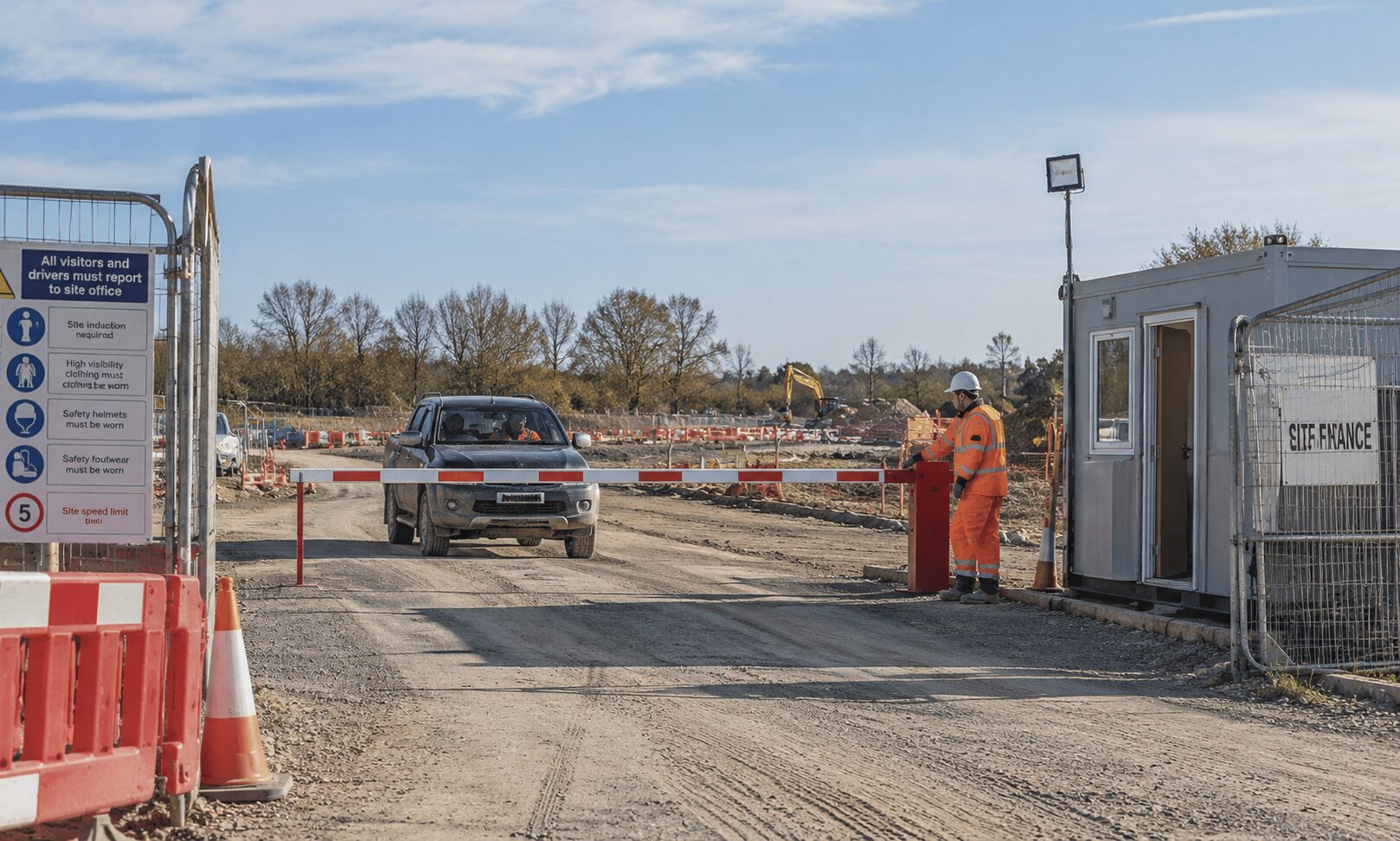
Forget about software for a minute. Early morning, busy site, people have been arriving for a while and there's work to get started. Deliveries are coming in, there's a queue at the gate and the programme isn't going to move itself. Some people have been on the job for months, a few are here today for the first time. Some work directly for you and plenty don't. They might work for a subcontractor, maybe agency, perhaps they're filling in because someone needs another pair of hands on the job.
Pick one of them.
Can that person go to work?
In a well-run business, there will probably be a good answer. They've done the induction. Their cards are legitimate and valid. The agency says they're competent, and perhaps the supervisor knows them because they've worked together before. They know they're good at what they do.
Now ask another question.
What do you have to take on trust?
That's where things get interesting. Because some of the evidence might be in one system, some in another. Some might sit with the subcontractor. And some of it might be in the supervisor's head.
“I know him. He's good at his job.”
That may be true.
But if you're the person making the call, it leaves you exposed. You've got the paperwork and you're still on the hook.
Getting the evidence out of the supervisor's head
The 07:00 problem is rarely a training gap. It's a visibility gap. The pieces that would add up to a real “yes” are scattered. The induction system, the card scheme, a subcontractor's own records, and whatever a supervisor happens to remember. One person is left assembling all of it under pressure, with a queue at the gate and a programme that won't wait.
That's the gap a workforce readiness dashboard is built to close: pulling the induction, the cards, the certifications and the site-specific requirements into one place, so the answer to “can they work” doesn't depend on who happens to be standing at the gate that morning.