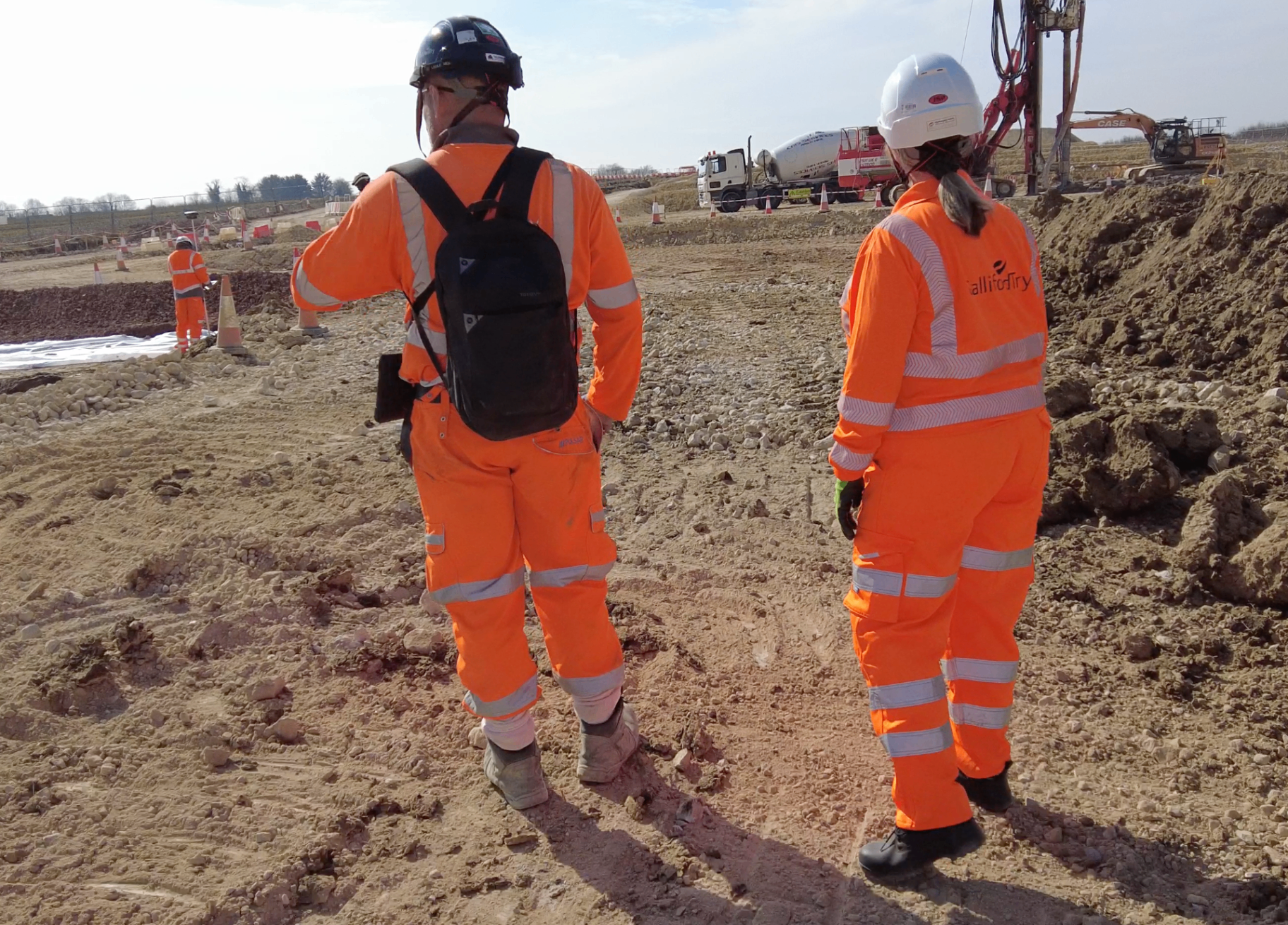
The Definitive Guide to Workforce Readiness in UK Construction
What workforce readiness really means, why ticking a box is not enough, and how the best contractors are proving every person on site is ready to work safely.
In UK construction, the question used to be simple: has the worker done the training? Today, the question is sharper: is the worker ready? Because doing the training and being ready are not the same thing.
Workforce readiness is the ability to prove that a person understands the hazards, controls, and procedures they will face on a specific site, before they step through the gate. It is not a certificate. It is not a view count. It is evidence of understanding, captured at the moment it matters.
What Is Workforce Readiness?
Workforce readiness is a binary status for each worker on each site: Cleared or Not Cleared. It combines inductions, briefings, credentials, and attestations into a single answer that gate teams, supervisors, and auditors can trust.
Readiness is contextual. A worker may be cleared for Site A and not cleared for Site B. A labourer may need different evidence from an electrical subcontractor. The system must ask: who is this person, what are they doing here, and what do they need to know to do it safely?
When readiness is done well, it gives the site manager a live answer. When it is done poorly, the answer is hidden in spreadsheets, emails, and paper folders that go out of date the moment the next shift starts.
Completion Is Not Readiness
The biggest mistake in workforce training is assuming that watching a video equals understanding it. Here is the difference.
- — The video was viewed.
- — The box was ticked.
- — The certificate was downloaded.
- — Evidence of time spent, not understanding.
- — The worker understood the content.
- — They answered questions correctly.
- — They attested to site-specific rules.
- — Evidence of understanding, captured and auditable.
Completion is an input. Readiness is an outcome. A worker can complete every module in your LMS and still be dangerous on site if they did not understand the material, if the training was generic, or if the evidence was lost in a folder no one checks.
Why Workforce Readiness Matters Now
Three forces are making workforce readiness a non-negotiable in UK construction.
1. The Building Safety Act 2022
The Act raises the bar on accountability. Duty holders must demonstrate that people building and maintaining higher-risk buildings are competent. That means evidence, not assumptions. A training record is a start; proof of understanding is the standard the Act points toward.
2. The SKEB competence standard
SKEB stands for Skills, Knowledge, Experience, and Behaviours. It is the standard for judging whether an individual is competent. A CSCS card evidences Knowledge only. Readiness evidences all four: what a worker can do, what they know, what they have done before, and how they behave on site. Workforce readiness is the operational expression of SKEB, a daily site-level check that competence is real and current.
3. Client and main contractor pressure
Main contractors and clients are increasingly asking for proof of readiness before work starts. If you cannot show it quickly, you may not get on site. If you can show it instantly, you become easier to work with.
How to Measure Readiness
A workforce readiness system checks four things for every worker on every site.
Who is this person? Are they who they say they are?
Have they completed the right site-specific induction?
Do they hold the current credentials, tickets, and briefings for the work?
Have they confirmed they understand the rules, hazards, and controls?
When all four are satisfied, the worker is Cleared. When any one is missing or expired, the worker is Not Cleared. Status is visible and exportable, and updates as inputs change. The audit pack records it automatically.
The Role of Technology
Manual checks cannot keep up with a shifting workforce. On a typical site, people arrive from different employers, different countries, and different training histories. Checking every credential at the gate is slow, error-prone, and impossible to audit at scale.
A readiness system connects the data: your existing LMS, your site rules, your worker records, and the people who turn up each morning. It turns a daily bottleneck into a single, searchable answer.
The best systems do not replace human judgement. They make human judgement faster and safer by showing the right evidence at the right moment.
Building a Readiness System
Moving from completion to readiness does not require starting from scratch. It requires four shifts in how you think about training and access.
- Make it site-specific. Generic training is better than nothing, but readiness is about the hazards and controls of the place the worker is entering today.
- Check understanding, not just attendance. Ask questions. Record answers. Require attestation. Make the worker prove they understood.
- Make it real-time. A worker's status can change the moment a ticket expires or a new briefing is issued. The system must reflect that instantly.
- Make it auditable. When someone asks for evidence, the answer should be a link, not a search through folders.
Workforce Readiness Is the Rule
LUMA1 gives UK contractors one system to prove workforce readiness per worker, per site, on demand. See how it works or talk to us about your sites.